

Guest Post | What’s next for smart cart technology, asks Cust2Mate’s Yaniv Zukerman?
Remember when self-checkout stations were the next big thing in retail, promising faster shopping, shorter queues and a more convenient experience?
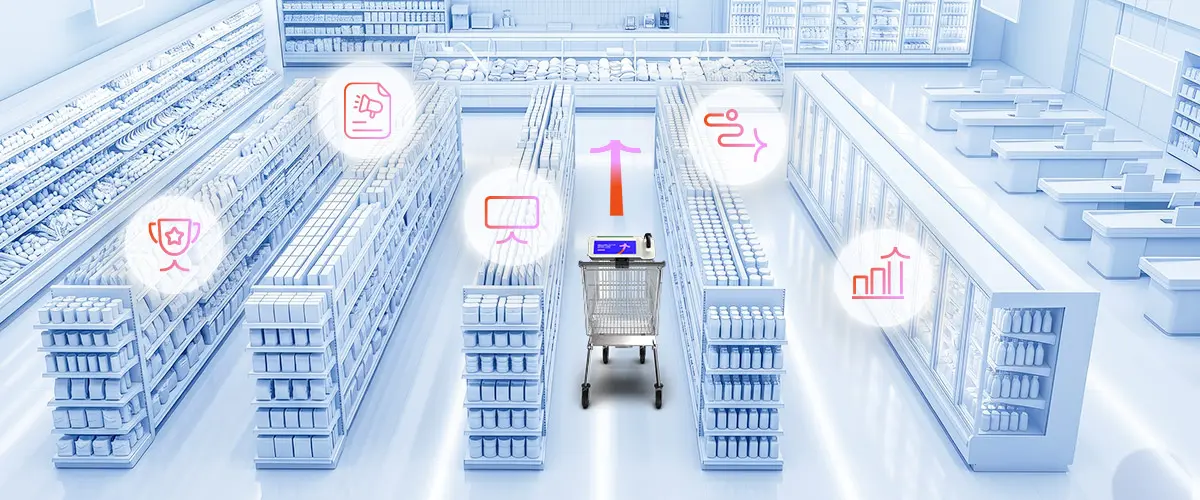
Smart cart technology is entering a new stage in 2026. What began as a way to reduce checkout friction is now becoming a broader connected store platform, combining AI personalization, on-cart payment, shopper engagement, retail media, shrink prevention and real-time store analytics.
For grocery retailers, the question is no longer only whether smart carts can make checkout faster. The bigger question is how smart carts can help physical stores become more measurable, more personalized and more profitable without forcing retailers to redesign the entire store experience.
The idea was simple: let shoppers scan and bag their own groceries, skip the line and get on with their day. But as it turns out, the reality hasn’t quite met expectations, says Yaniv Zukerman, CMO of Cust2Mate.
As the SCO revolution is quietly being rolled back, here he explores how this is paving new ways to enhance customer experience.
Why self-checkout isn’t working out
If you’ve ever stood in front of a self-checkout machine, frantically trying to scan a stubborn barcode while the SCO blares “unexpected item in the bagging area,” you’re not alone. These stations were meant to streamline shopping, but for many, they’ve become a source of frustration. There is also that shoppers feel they are now “working” for the retailer, the entire process takes longer because they are not proficient in doing the scanning, and self-checkout systems have created their own queues, defeating the initial purpose of saving time.
Premium supermarket chain, Booths, axed almost all self-service tills in its stores in response to customer demand. More recently, U.S. retailer, Dollar General made headlines by pulling SCO stations from about 12,000 stores, while Walmart has implemented policies where only loyalty programme members can use self-checkout, with designated SCO lanes for Walmart+ customers.
Rising theft rates have created a significant challenge, as SCO makes it easier for items to go unscanned, whether intentionally or accidentally. Customer service problems compound these issues when the machines malfunction or shoppers struggle with the technology, requiring staff intervention that defeats the purpose of automation.
Rather than freeing up employees as intended, self-checkout systems often simply redirect their efforts toward troubleshooting technical problems and supervising the checkout process, creating operational inefficiencies that can increase labour costs.
Smart Cart technology steps in
So, if self-checkout isn’t the answer, what’s next? That’s where smart cart technology steps in. For consumers, this means you can walk into a store, grab a shopping trolley and, as you add and scan items, the cart tallies and adds them to your digital receipt. No fumbling at a SCO station or waiting for assistance, when you’re done shopping, you simply pay and walk out.
Smart carts earn their “smart” designation through a combination of advanced technologies that transform the traditional shopping experience. They feature integrated security systems that use scanners, cameras and weight sensors to meticulously identify and track every item placed in the trolley. This ensures accurate transactions and significantly reducing the potential for theft or mistakes.
The technology also provides real-time feedback to shoppers, displaying a continuously updated running total of their purchases, delivering personalised deals based on their real-time shopping patterns and offering instant access to detailed product information as they browse.
Most importantly this real-time capability enables retailers to engage with shoppers at the precise moment of decision-making, when customers are actively browsing, considering purchases and are most receptive to relevant offers and information. They also create a seamless shopping experience by eliminating the traditional friction of retail shopping, as shoppers scan their items, the payment processes while moving alongside the customer, removing the need for separate checkout queues and creating a smooth, uninterrupted journey from product selection to purchase completion.
Beyond merely addressing existing problems, smart carts create entirely new opportunities for retailers to engage with customers through real-time interactions and personalised recommendations, fundamentally reshaping the relationship between stores and shoppers. This real-time engagement transforms the shopping experience from a simple transaction into a dynamic, interactive dialogue between retailer and customer that unfolds precisely when purchase decisions are being made.
One of the more innovative ways smart carts will change the retail landscape is their potential for retail media. Imagine walking through the store and seeing personalised offers pop up on your trolley’s screen – maybe a discount on your favourite snack or a reminder about something you usually buy. This real-time interaction allows retailers to influence behaviour when it matters most, rather than relying on post-purchase follow-up or pre-visit marketing. This isn’t just convenient for shoppers; it’s a new way for retailers and brands to engage customers, drive sales and measure results immediately.
Looking ahead: transformation beyond a tech upgrade
The shift from self-checkout to smart carts represents more than just a technological upgrade, it’s a fundamental reimagining of the retail experience. As these systems become more widespread, we’re likely to see even more innovative features. Integration with loyalty programmes, personalised nutrition recommendations and even linking with smart home systems are all on the horizon.
Perhaps most significantly, smart carts serve as the ultimate bridge between on- and off-line retail experiences. They bring the personalised recommendations, real-time inventory updates and seamless payment processing that customers have come to expect from ecommerce directly into physical store environments.
Shoppers can access their online purchase history, receive suggestions based on their digital browsing patterns and enjoy the same level of customisation they experience when shopping from their devices, all while physically touching, examining and immediately taking home the products they want. This convergence finally delivers the long-promised “omnichannel” experience that truly feels unified rather than fragmented.
For retailers, smart carts offer a path forward that addresses the operational challenges that made self-checkout unsustainable while creating new opportunities for engagement and revenue. For customers, smart trolleys deliver far more than just simplicity – after all, traditional carts and checkout lines might actually be simpler. Instead, smart carts add genuine value by making each shopping visit smarter, more informed, more efficient and ultimately more worthwhile. They transform routine grocery runs into personalised, data-driven experiences where shoppers discover relevant products, access real-time information and make better purchasing decisions while saving time and avoiding frustration.
The future of retail isn’t about eliminating human interaction; it’s about using technology to enhance it. People want convenience, speed and ease in their shopping trips. Smart carts promise to deliver just that.

Yaniv Zukerman is the CMO of Cust2Mate.
Cust2Mate is a leader in smart shopping cart technology.
FAQ on smart cart technology
What is smart cart technology?
Smart cart technology refers to connected shopping carts that combine scanning, sensors, digital screens, payment capabilities and data analytics to improve the in-store grocery shopping experience.
What is changing in smart cart technology in 2026?
In 2026, smart cart technology is moving beyond basic scan-and-go functionality. The next stage includes AI personalization, on-cart payment, in-store retail media, shrink prevention tools, shopper analytics and scalable deployment across grocery chains.
How do smart carts support AI personalization?
Smart carts can support AI personalization by using basket activity, shopper context and real-time in-store behavior to present relevant offers, product information or recommendations during the shopping trip.
Can smart carts help reduce shrink?
Smart carts can help reduce shrink by improving item tracking, supporting more accurate scanning, using sensors or validation tools, and giving retailers better visibility into what happens before checkout.
How do smart carts support retail media?
Smart carts support retail media by turning the cart screen into an in-store media channel. Retailers and brands can deliver relevant messages during the shopping journey and connect engagement to basket behavior.
Why are smart carts important for grocery retailers?
Smart carts are important because they help grocery retailers improve checkout flow, personalize the shopping journey, create new media revenue opportunities and collect better data from the physical store.
Do smart carts replace self-checkout?
Smart carts can replace or complement self-checkout. Instead of asking shoppers to complete the process at a fixed kiosk, smart carts move scanning, engagement and payment into the shopping journey itself.
What should retailers evaluate before deploying smart carts?
Retailers should evaluate ease of use, POS integration, payment compatibility, operational support, theft-prevention capabilities, media opportunities, analytics, hardware reliability and deployment scalability.