
Closing the Gap Between Online and In-Store Commerce
Physical and digital commerce no longer operate as separate worlds. Retailers that connect loyalty, pricing, product data, and real-time shopper behavior inside the store can deliver a consistent shopping experience across channels. Smart cart platforms make that possible by bringing personalization, measurable engagement, and frictionless checkout into the aisle, helping retailers improve shopper experience, strengthen in-store attribution, and unlock new retail media revenue.
For decades, e-commerce has perfected the art of knowing the customer through responsive and intelligent experiences such as personalized recommendations and frictionless checkout.
Despite this digital transformation, physical retail, which still accounts for 80% of global retail spend, has often struggled to offer a comparable level of personalization.
This disconnect creates a challenge: when customers who are used to digital intelligence encounter static shelving and generic promotions, the rich relationship a brand has built online can evaporate at the aisle
A Unified Shopping Journey
Today’s shoppers no longer distinguish between online and offline channels; they experience retail as a single, continuous process of discovery and purchase. Because these channels are consecutive steps in the same journey, consumers increasingly judge physical stores against the same high standards set by online retail. In fact, more than 60% of shoppers now expect brands to operate with total consistency across both digital and physical environments.
The goal for the retailer is not to turn physical stores into websites, but to bring digital intelligence into the physical environment. When stores fail to bridge this gap, they risk more than just a single transaction; they risk eroding their brand equity and forfeiting significant in-store revenue.
Integrating the Experience
To meet these evolving demands, retailers require an integrated architecture where systems, data, and shopper-facing interfaces operate as a unified ecosystem. The physical store should no longer be a disconnected endpoint but a synchronized node within the retailer’s broader commerce environment.
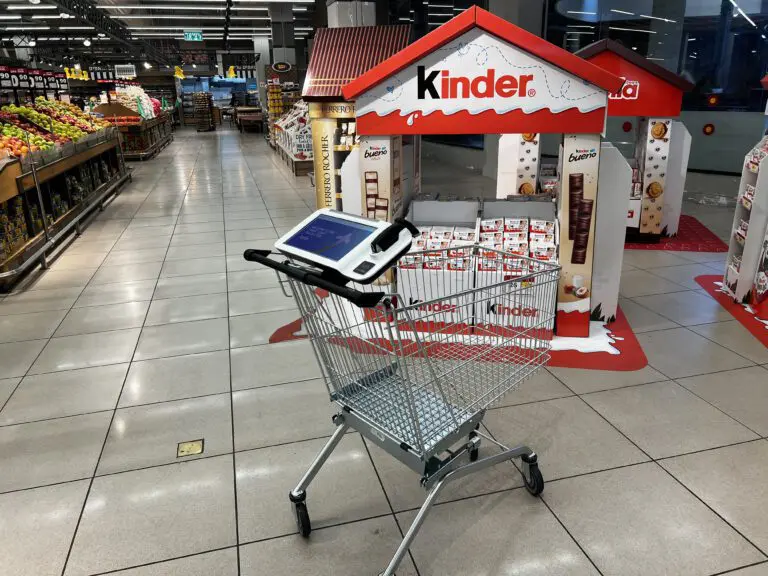
The A2Z Cust2Mate smart cart platform serves as this critical connective layer. By linking a retailer’s existing digital infrastructure, including loyalty logic, product data, and pricing systems, directly to the cart interface, the platform transforms the store into an adaptive, data-driven engagement space. This allows for real-time engagement and personalized promotions to happen directly at the point of decision in the aisle
Winning on Shopper Experience
Ultimately, shoppers want to be known and recognized with the same intelligence they have come to expect online. By embedding this wisdom directly into the aisle, retailers can move away from standalone transactions and toward an ongoing brand relationship.
The transition to smart-cart technology allows every in-aisle interaction to become measurable data, which in turn fuels continuous improvements in operations and merchandising strategy. By bringing shopper intelligence full circle, back to where retail began, stores can genuinely serve today’s consumer and position themselves to win on experience
A closer look at the evolving in-store experience
Cust2Mate’s white paper, “When Online Expectations Enter the Physical Aisle,” explores the expectations that today’s connected consumers carry with them into the store, and explains how retailers can operationalize them in the aisle.