



Shoppers Don’t Trust What They Can’t See
Retail transparency means giving shoppers clear, real-time visibility into prices, discounts, product information, availability, and basket totals throughout the in-store journey. For grocery retailers, smart shopping carts can turn this transparency into a practical part of the shopping experience, showing shoppers exactly what they’re buying, what promotions are applied, and how much they’re spending before they reach checkout.
From Expectation to Reality
In our recent white paper, When Online Expectations Enter the Physical Store, we explored how rising digital standards are reshaping what shoppers expect inside the store. One theme stood out above the rest: the demand for transparency. Online, shoppers are used to complete visibility — exact prices, applied discounts, stock availability, and a running continuously updated basket total, all before they commit to a purchase. That level of clarity has reset expectations for the physical store.
In store, that same transparency is often missing. Shoppers are left to interpret shelf labels, estimate discounts, and wait until checkout to learn what they’ll actually pay. The most basic question, — “How much am I really spending?”, — often goes unanswered until the very end of the journey. This gap creates uncertainty, and uncertainty directly shapes behavior.
Smart shopping carts are a natural response to this gap. By carrying pricing, promotions, and basket totals with the shopper through the aisle, they bring the same real-time clarity shoppers already expect online into the physical store.
Shoppers want one thing above all: to know exactly what they’re paying, with clear prices, accurate discounts, and no surprises at checkout. It was the strongest signal in both our previous and latest surveys: clarity and control drive confidence at every step of the journey.
At its core, transparency starts with something simple: shoppers want to know exactly what they’re paying. They expect clear prices, accurate discounts, and continuous visibility into their spending, with no surprises at checkout. This was the strongest signal in both our previous and latest surveys — clarity and control drive confidence at every step of the journey.
When visibility is limited, trust erodes quickly. Small inconsistencies between shelf price and checkout, unclear promotions, or the inability to track spending in real time all create doubt, as does a lack of visibility into product availability or location. As a result, shoppers become more cautious, limit their purchases, and avoid anything that adds effort or risk.
The Commercial Impact of Transparency
This uncertainty carries a direct commercial cost. When pricing, discounts, and basket totals are clearly visible throughout the journey, shoppers can make decisions with confidence instead of caution, reducing hesitation at the shelf and removing the need to mentally track spending as they add items.
Real-time spend visibility also unlocks budget utilization. Instead of stopping early to avoid uncertainty, shoppers can actively manage their basket, adjusting, adding, or trading up with full awareness of the financial impact. The result is higher conversion, larger baskets, and stronger engagement with promotions.
Over time, consistent transparency builds trust in a retailer’s pricing and checkout experience. When shoppers know that what they see is what they’ll pay, they’re more likely to return, explore new products, and engage confidently with the store. Transparency moves beyond a functional capability to become a driver of long-term loyalty and sustained revenue growth.
Beyond Price: Other Dimensions of Transparency
Transparency starts with price, but it doesn’t end there. Building real trust means ensuring visibility across the full shopping journey.
Product availability and location matter, even in supermarkets where items are physically visible. When a product is missing, shoppers are left guessing whether it’s out of stock, misplaced, or simply overlooked. Clear signals around availability, along with guidance to alternatives, reduce friction and prevent abandoned intent.
Product information is another critical layer. In categories like health, fresh food, or private label, shoppers increasingly want to understand what they’re buying: ingredients, origin, nutritional value, or suitability for specific needs. Without clear, accessible information, they default to familiar choices or skip the purchase altogether.
Checkout transparency reinforces trust at the most sensitive moment of the journey. Shoppers expect to see exactly how prices, discounts, and promotions were applied, with no discrepancies between shelf and final total. Any mismatch, even a small one, creates immediate doubt.
Beyond the transaction itself, transparency increasingly extends to how retailers handle customer data and how products are sourced. Shoppers want clarity on how their data is used, what value they receive in return, and whether products meet ethical, sustainability, or sourcing standards. These elements may not influence every purchase decision in the moment, but they shape long-term trust and brand perception.
Operationalizing Transparency
Delivering transparency doesn’t require a full system overhaul, but it does require making key elements of the experience consistently visible, accurate, and synchronized throughout the shopping journey.
Start with pricing and promotions. Every price shown to the shopper should be consistent across shelf, system, and checkout, with promotions clearly explained and automatically applied, removing the need for shoppers to interpret conditions or calculate savings themselves.
Next, make spend visibility continuous. Shoppers should be able to see their running total at any point in the journey, not just at checkout, so they can manage their budget in real time and shop with confidence rather than uncertainty.
Product-level transparency should also be structured and accessible: standardizing key details like ingredients and origin, and presenting them clearly at the point of decision, to reduce interpretation effort and eliminate ambiguity.
Retailers should also address moments of uncertainty. When a product isn’t available, shoppers should be informed clearly and offered relevant alternatives. When data is being collected or used, it should be communicated simply, reinforcing trust rather than creating concern.
In practice, this means treating price, promotion, product detail, and checkout as one connected system instead of separate updates. If any one of them lags, shoppers notice.
Operationally, this means shifting from managing isolated data points to managing consistency across the whole experience. Every interaction — price, promotion, product detail, or checkout — must align and update in real time. Transparency isn’t a feature; it’s the result of reliable execution across every touchpoint.
Enabling Transparency Through Smart Carts
Delivering transparency consistently throughout the shopping journey requires a touchpoint that operates in real time, within the flow of the aisle.
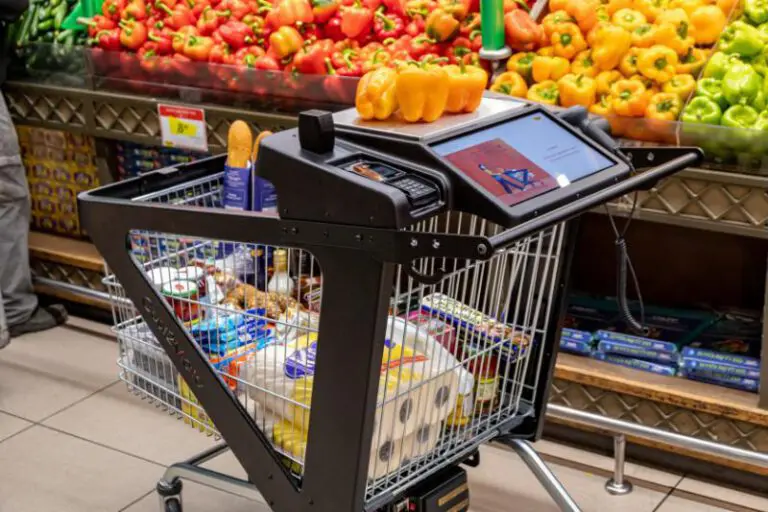
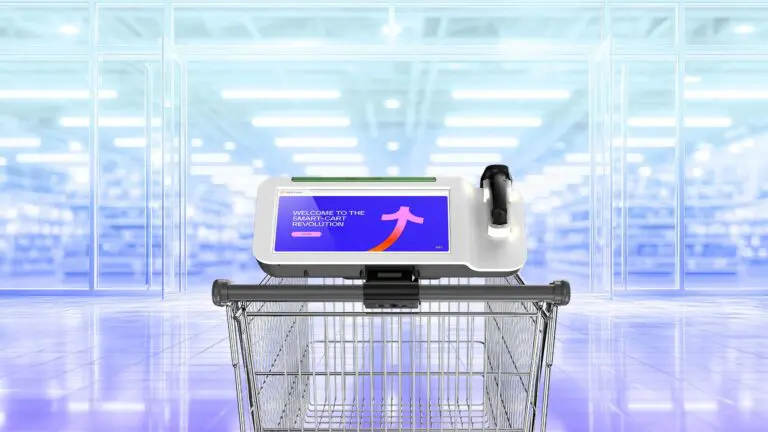
Cust2Mate enables this by turning the shopping cart itself into a real-time source of pricing, promotion, and basket information as shoppers move through the store.
enables this by turning the shopping cart into a continuous transparency layer, a shopping companion that gives shoppers immediate visibility and control as they move through the store.
As items are added, shoppers instantly see accurate prices, applied promotions, and a continuously updated basket total, removing the need to estimate spending or wait until checkout for the final cost. A shopper selecting products across different categories can track their total in real time and adjust their choices to stay within budget, with full clarity on how each item affects their spend.
Transparency also extends beyond price. Shoppers can access clear product information at the moment of decision, without relying on packaging alone, and when a product is unavailable, relevant alternatives surface immediately, maintaining flow and reducing frustration.
At checkout, the experience remains fully aligned: the total reflects exactly what the shopper has seen throughout the journey, with no surprises or discrepancies, reinforcing trust at the most critical moment.
This transparency is delivered through a retailer-controlled channel, ensuring accuracy, consistency, and alignment with business rules. The same real-time, item-level accuracy that builds shopper trust also supports loss prevention, while allowing retailers to communicate clearly how shopper data is used and to surface additional layers of transparency, such as sourcing or sustainability information, when relevant.
The result is a store where shoppers are continuously informed, in control, and confident in their decisions, leading to higher engagement, larger baskets, and stronger long-term trust.
Closing Thought
Transparency isn’t about providing more information, it’s about removing uncertainty at every step of the shopping journey. When shoppers can clearly see prices, discounts, and their spending in real time, they make decisions faster, with greater confidence and control.
For retailers, that impact compounds. When what shoppers see always matches what they pay, trust builds through execution, not messaging, turning routine trips into experiences shoppers can predict and rely on.
For retailers, the impact compounds over time. Consistent transparency, where what shoppers see always matches what they pay, builds trust through execution, not messaging. Each accurate interaction reinforces confidence in pricing, promotions, and checkout, turning everyday trips into predictable, dependable experiences.
In this context, transparency becomes more than a feature. It becomes an operational standard that shapes shopper behavior, increases spend, and strengthens long-term loyalty. Retailers that deliver it consistently position themselves not just as convenient, but as trustworthy, and that trust is what drives sustained growth.