

When the Cart Becomes the Channel
Why smart carts mark the end of “unmeasured” retail
For decades, physical retail had a built-in limitation: it was rich in shopper behavior, but poor in measurable signal. We could see what happened in the aisle, but proving why it happened at scale has been harder.
Digital commerce flipped that equation, allowing every interaction to become measurable and tracked. Stores, by contrast, stayed stubbornly hard to measure beyond what showed up at the register. As we explore in our article on closing the gap between guessing and real shopper insight, this lack of visibility is why physical retail has felt like a ‘blind spot’ compared to digital.
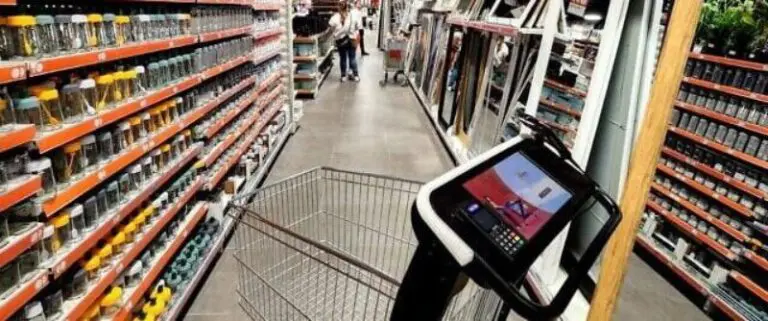
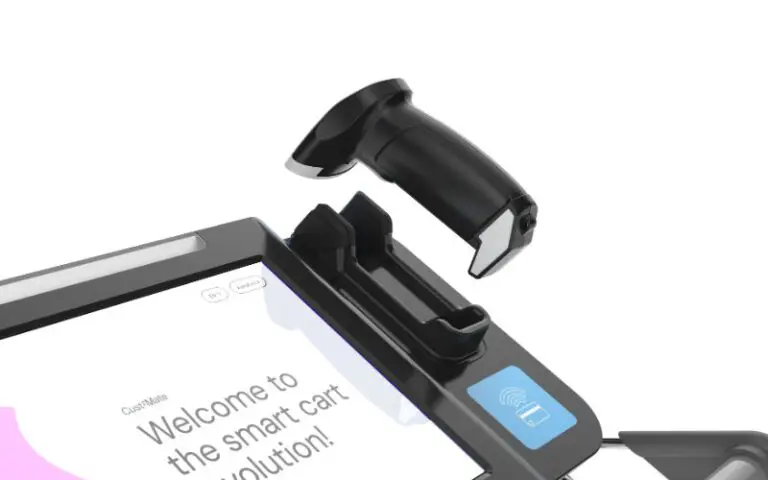
Smart carts change that dynamic. In the Customerland episode, Cust2Mate CMO Yaniv Zukerman explains why the cart is evolving from a device into a measurable in-store channel.
Retrofit: From hardware to platform
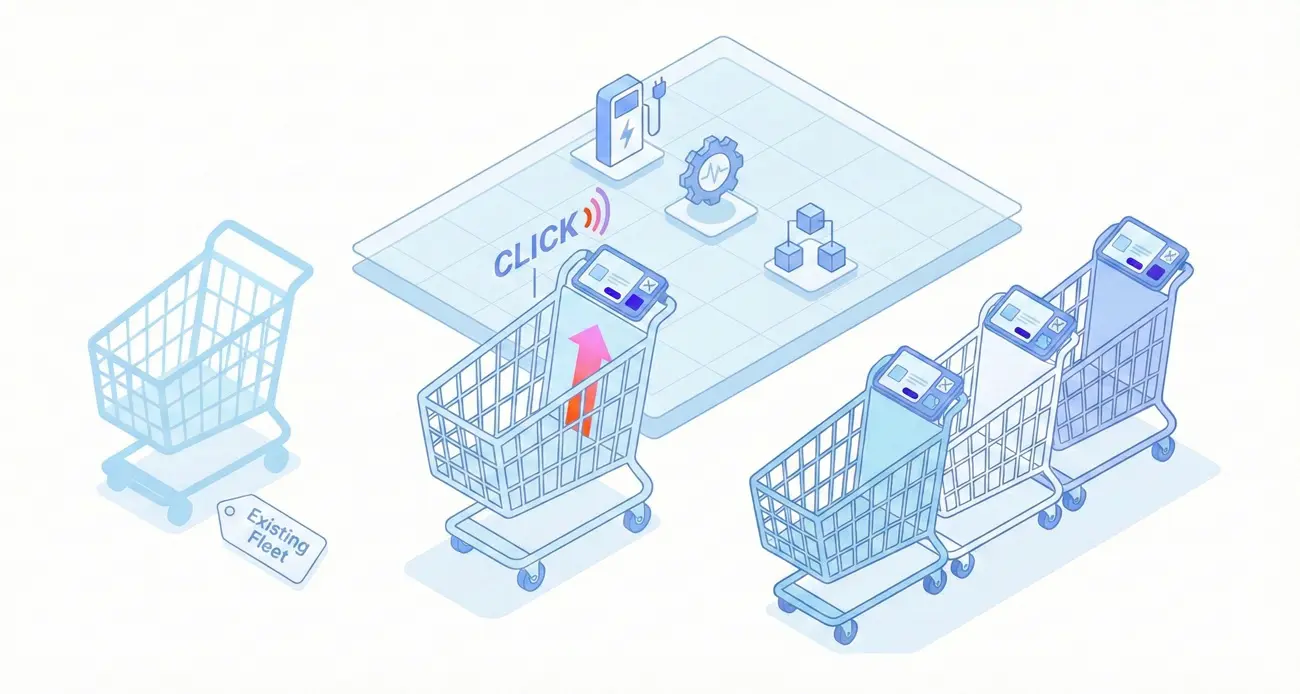
Cust2Mate was built around a deployment reality retailers actually care about: retrofit existing cart fleets rather than replace them. That reduces operational disruption and speeds up time to value.
As deployments scale across a store or chain, carts quickly require real infrastructure, including charging and docking, fleet management, device health monitoring, and reliable integration into POS, loyalty, pricing, and promotions. That integration layer is where the platform emerges.
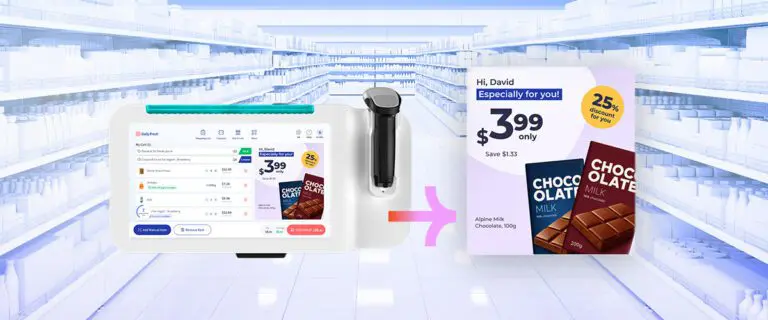
Because the cart is embedded in the trip, it can connect in-aisle exposure to basket outcomes, turning impressions into attribution.
“At scale, smart carts behave less like a feature and more like store infrastructure.”
Yaniv Zukerman, CMO at Cust2Mate
What retailers can actually unlock
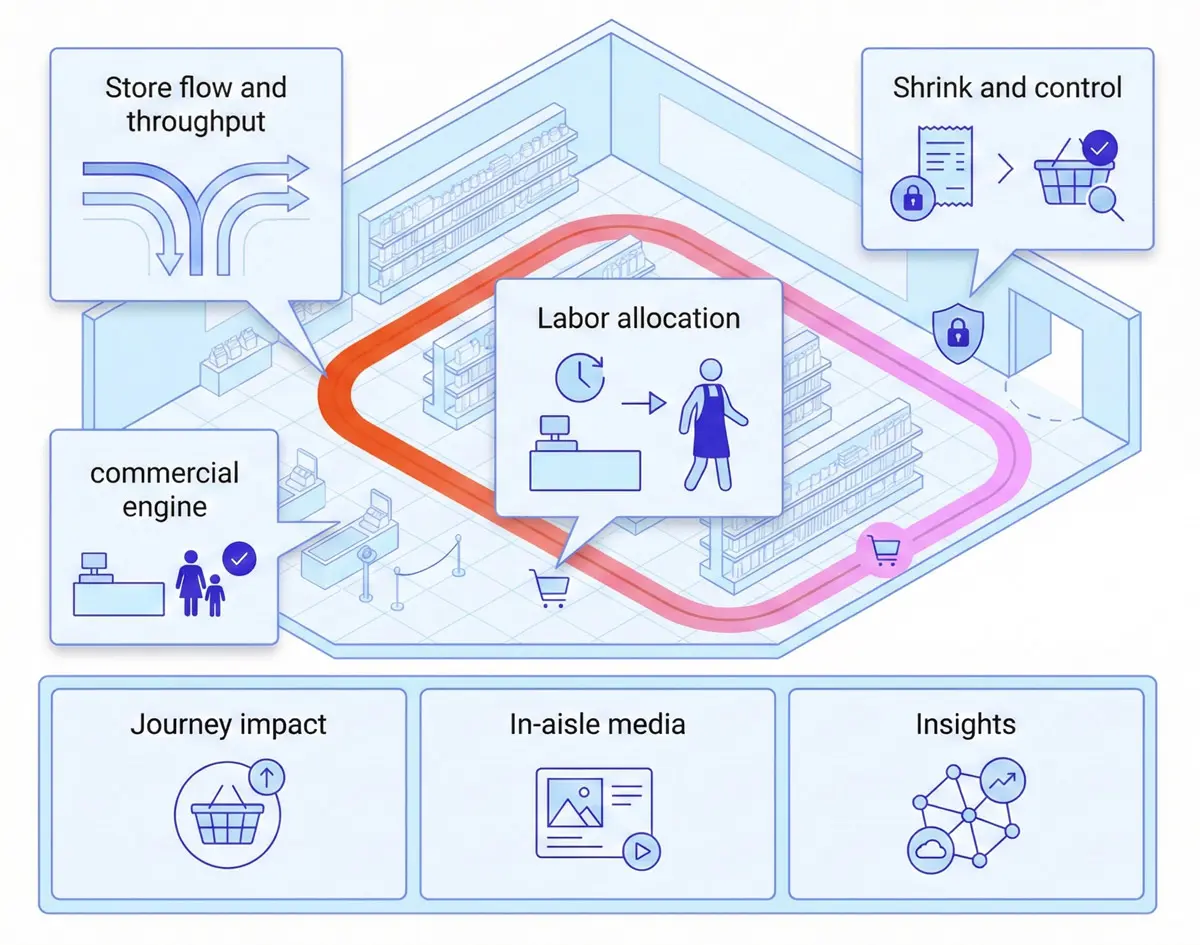
This is bigger than “a better checkout.” If you mention cost impact, it needs to be grounded in the levers: improved store flow and throughput, smarter labor allocation, and better shrink and operational control as the trip becomes more visible and guided.
Beyond operational impact, the episode outlines how retailers can move from benefits to earnings through three layers: improving the shopper journey, enabling in-aisle retail media inventory, and using behavioral insights to strengthen supplier programs.
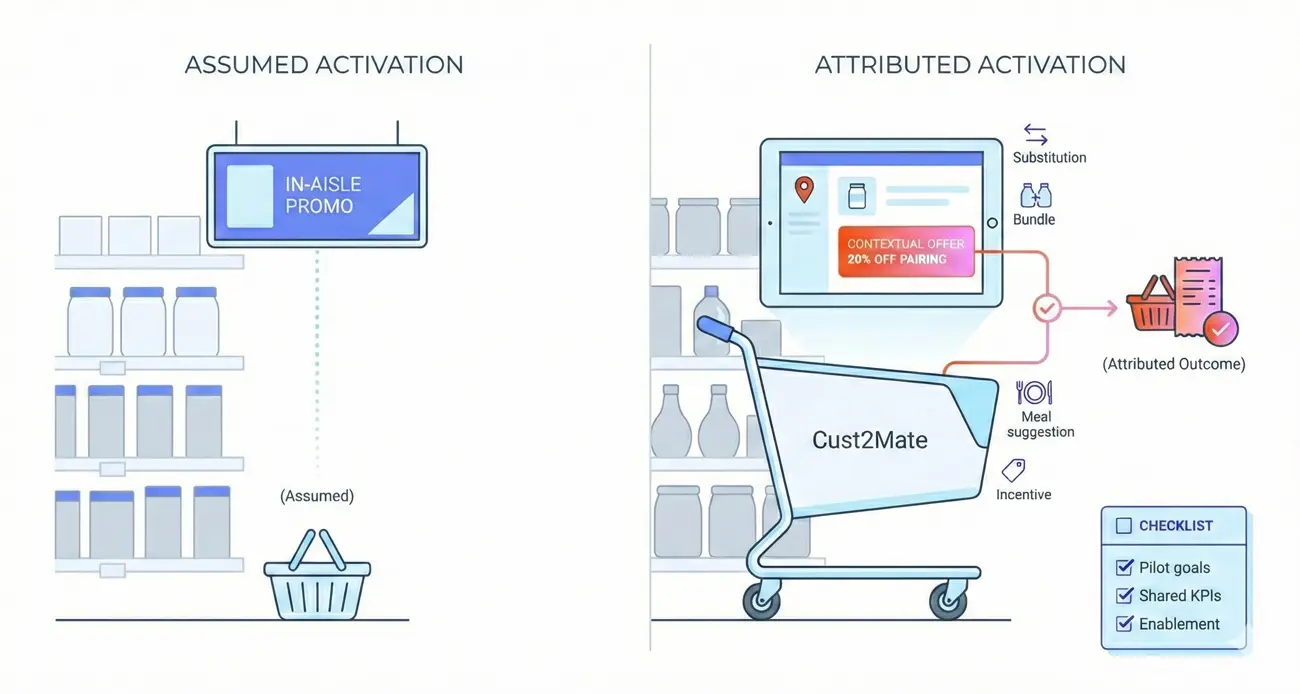
For brands: from assumed spend to attributed outcomes
Brands get a clearer link between shopper intent, in-aisle engagement, and purchase outcomes. That enables more relevant activation at the moment decisions happen, like substitutions, bundles, meal-based recommendations, and timely incentives based on real trip context.
But this is not a feature launch. It’s an operational evolution. Adoption requires pilots with defined objectives, aligned KPIs across ops, IT, loyalty, and retail media, plus strong enablement for staff and shoppers.
Smart carts are not about adding screens for the sake of it. They’re about turning the shopping trip into a measurable operating layer that improves flow, strengthens commercial programs, and proves what drives outcomes in the aisle.
Contact us to schedule a personalized demo or explore partnership opportunities today.